

Do You Really Know Which Waterproof Tape Works Best for Different Situations?
When most people search for waterproof tape, they usually want one simple thing — a fast solution that actually lasts. But the problem is that waterproof tape is not a single product category anymore. Different environments require completely different materials, adhesive systems, and backing technologies. A tape that performs perfectly on a leaking roof may fail completely on an inflatable boat, while a tape designed for HVAC insulation may not survive long-term outdoor UV exposure. That’s why understanding where each waterproof tape works best is far more important than simply choosing the strongest adhesive.

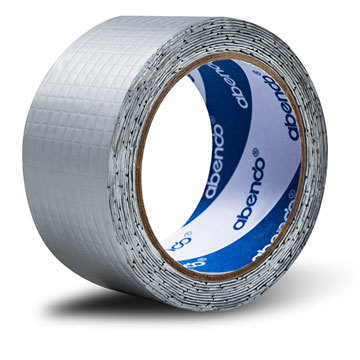
Butyl waterproof tape remains one of the most trusted solutions for outdoor sealing because it combines aggressive adhesion with long-term weather resistance. In roofing, window installation, RV repair, metal sheet joints, and gutter sealing, butyl tape performs especially well because it stays flexible over time instead of drying out or cracking. Buildings naturally expand and contract with temperature changes, so flexibility becomes critical in preventing future leaks. Many contractors prefer aluminum foil butyl waterproof tape because the foil backing adds extra durability, UV protection, and temperature resistance while maintaining strong waterproof performance. This type of tape is widely used around roofs, chimneys, flashing systems, wall cracks, and outdoor construction projects where moisture protection must survive heat, rain, and long-term exposure.
Bitumen tape is often chosen for heavier-duty waterproof repair applications where surfaces are rough, uneven, or exposed to harsh outdoor environments. Compared with thinner sealing tapes, bitumen tape creates a thicker waterproof barrier and bonds well to concrete, roofing materials, pipes, and damaged outdoor surfaces. It’s commonly used for emergency roof repairs, underground sealing, wall crack repair, and construction waterproofing because it handles difficult conditions much better than standard repair tapes. In many industrial and construction scenarios, bitumen tape is viewed as a reliable long-term sealing material rather than just a temporary fix.

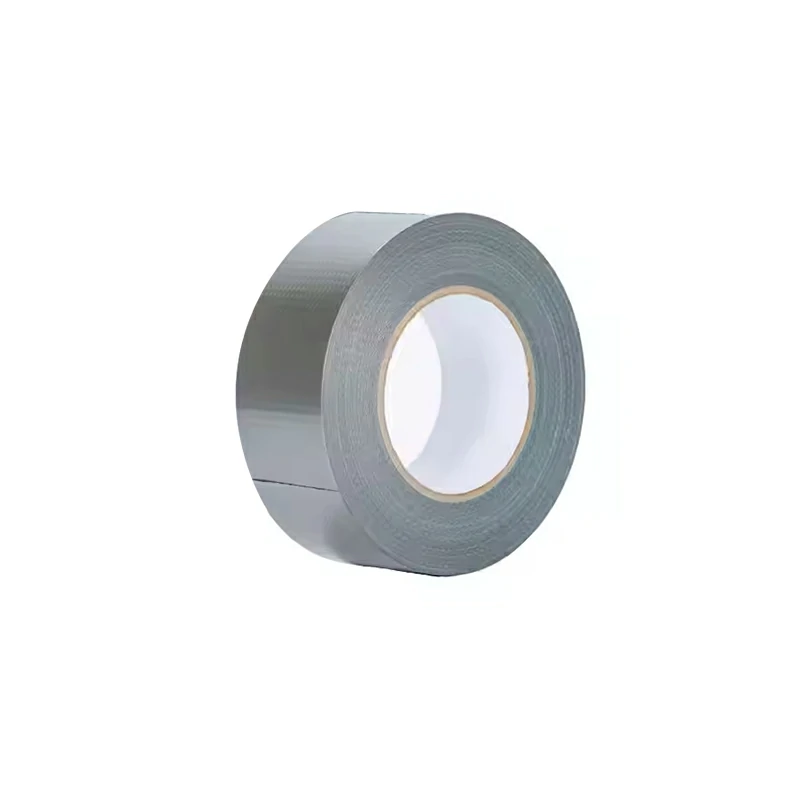
Duct tape is probably one of the most recognized tapes worldwide, but many people misunderstand its actual waterproof capability. Standard duct tape works well for temporary sealing, quick repairs, bundling, and surface fixing, but not every duct tape is truly waterproof for long-term outdoor use. Higher-quality waterproof duct tapes are designed with stronger cloth backing and more weather-resistant adhesive systems, making them suitable for temporary outdoor repairs, protective wrapping, camping equipment, and emergency maintenance situations. Its biggest advantage is versatility and ease of use, especially when speed matters more than appearance.
Deck joist tape has become increasingly important in modern wood construction because moisture damage is one of the biggest reasons decks fail over time. Rainwater trapped around fasteners and wooden joints slowly causes rot, mold, and structural weakening. Applying waterproof deck joist tape over the wooden frame before installing deck boards helps create a moisture barrier that significantly extends deck lifespan. Builders and contractors increasingly use this tape because preventing water damage early is much cheaper than replacing an entire deck years later.
Sealing repair silicone rubber tape works very differently from traditional adhesive tapes because it bonds to itself instead of relying on glue. This makes it especially useful for pipe repair, electrical insulation, automotive wiring, marine environments, and emergency leak sealing. Since silicone rubber tape resists high temperatures, moisture, UV exposure, and chemicals, it performs extremely well in demanding industrial and maintenance environments. Many technicians prefer it because it leaves no sticky residue and can create a tight waterproof seal even around irregular surfaces and curved fittings.
TPU inflatable repair patches are designed for completely different waterproof repair needs, especially flexible materials exposed to water and air pressure. Inflatable boats, air mattresses, swimming rings, tents, waterproof clothing, and inflatable outdoor products all require repair materials that remain flexible after bonding. Traditional waterproof tapes often become stiff or peel away from TPU materials, while TPU repair patches are specifically engineered to maintain elasticity and waterproof performance at the same time. In outdoor sports and marine applications, this flexibility becomes essential for long-term durability.
The reason waterproof tapes continue evolving is simple: modern applications are becoming more specialized. Construction projects, HVAC systems, outdoor gear, automotive repairs, marine equipment, electrical protection, and industrial sealing all face completely different environmental challenges. Moisture, UV exposure, heat, freezing temperatures, pressure, vibration, and surface materials all affect whether a waterproof seal succeeds or fails.
That’s why professional buyers rarely choose waterproof tape based only on price. The real focus is whether the tape matches the environment it’s being used in. A high-quality waterproof tape may cost slightly more upfront, but it can prevent expensive repairs, product failures, labor costs, and long-term maintenance problems later. In many industries, choosing the right waterproof sealing solution is less about convenience and more about reliability over time.





Would you like to learn more about waterproof tape? Please contact us!
Keyword:
waterproof tape,waterproof repair tape,heavy duty waterproof sealing tape,industrial waterproof tape manufacturer,roof sealing tape,pipe repair tape
RELATED NEWS

Office: Building 2, Houdequn Creative Industrial Park,Shajing Town, Baoan District, Shenzhen,Guangdong, China.
Factory: Building 7 of Liandong U Valley, No.510 Xihuan Road, Houjie Town, Dongguan, Guangdong, China.
Copyright © 2021 abendo All rights reserved.
LET'S GET IN TOUCH