
How Will Aluminum and Copper Price Fluctuations Affect Adhesive Tape Manufacturers in 2026?
Entering 2026, the world remains turbulent, and global commodity markets continue to experience significant volatility. While precious metals such as gold and silver, as financial assets, see their price fluctuations closely watched, the prices of industrial base metals like aluminum and copper continue to fluctuate, directly impacting the manufacturing costs and pricing strategies of adhesive tape manufacturers for their aluminum/copper foil tape products.
Metal Price Trends Drive Cost Pressures
Copper: Structural Supply-Demand Imbalance
In recent years, copper prices have surged, driven by factors such as electrification, infrastructure construction, renewable energy demand, and limited mineral supply. Analysts report that before the recent pullback, copper prices on the London Metal Exchange (LME) once broke through a historical high of $14,000 per tonne, a trend supported by strong industrial demand.
- Recent market expectations widely anticipate copper prices exceeding $11,000 per tonne in 2026, reflecting tightening fundamentals and strong demand.
- Supply fragility → major mines facing shutdowns or strikes → exacerbates price volatility and future price risks.

Aluminum: Cost Volatility and Regional Premiums
Aluminum prices are also at high levels. Market sources indicate that London Metal Exchange (LME) aluminum prices are approaching $3,200 to $3,300 per tonne in early 2026, while regional surcharges could significantly push up actual landed costs.
The copper-to-aluminum price ratio has entered a range that typically triggers substitution decisions in other sectors (such as electrical or construction), indicating a growing relative cost advantage for copper.
| Metal | Recent Price (approx) | Unit | Notes / Source |
|---|---|---|---|
| Copper (LME Spot) | $13,000 | per tonne | London Metal Exchange market showing copper near record levels in early 2026. (Cbonds) |
| Copper (SHFE / Shanghai) | ~ ¥103,680 / tonne (~$13,150) | per tonne | Shanghai exchange also shows copper at elevated levels. (SMM) |
| Aluminum (LME Spot) | $3,103 | per tonne | Price as of early Feb 2026 from commodity indexes. (Cbonds) |
| Aluminum (Shanghai) | ~ ¥25,605 / tonne (~$3,300) | per tonne | Materials market shows aluminum near multi-year highs. (SMM) |
Why Price Fluctuations Are Critical for Tape Manufacturers
1. Raw Material Costs Account for a Large Portion of Total Costs
Aluminum foil and copper foil are critical raw materials for the following products:
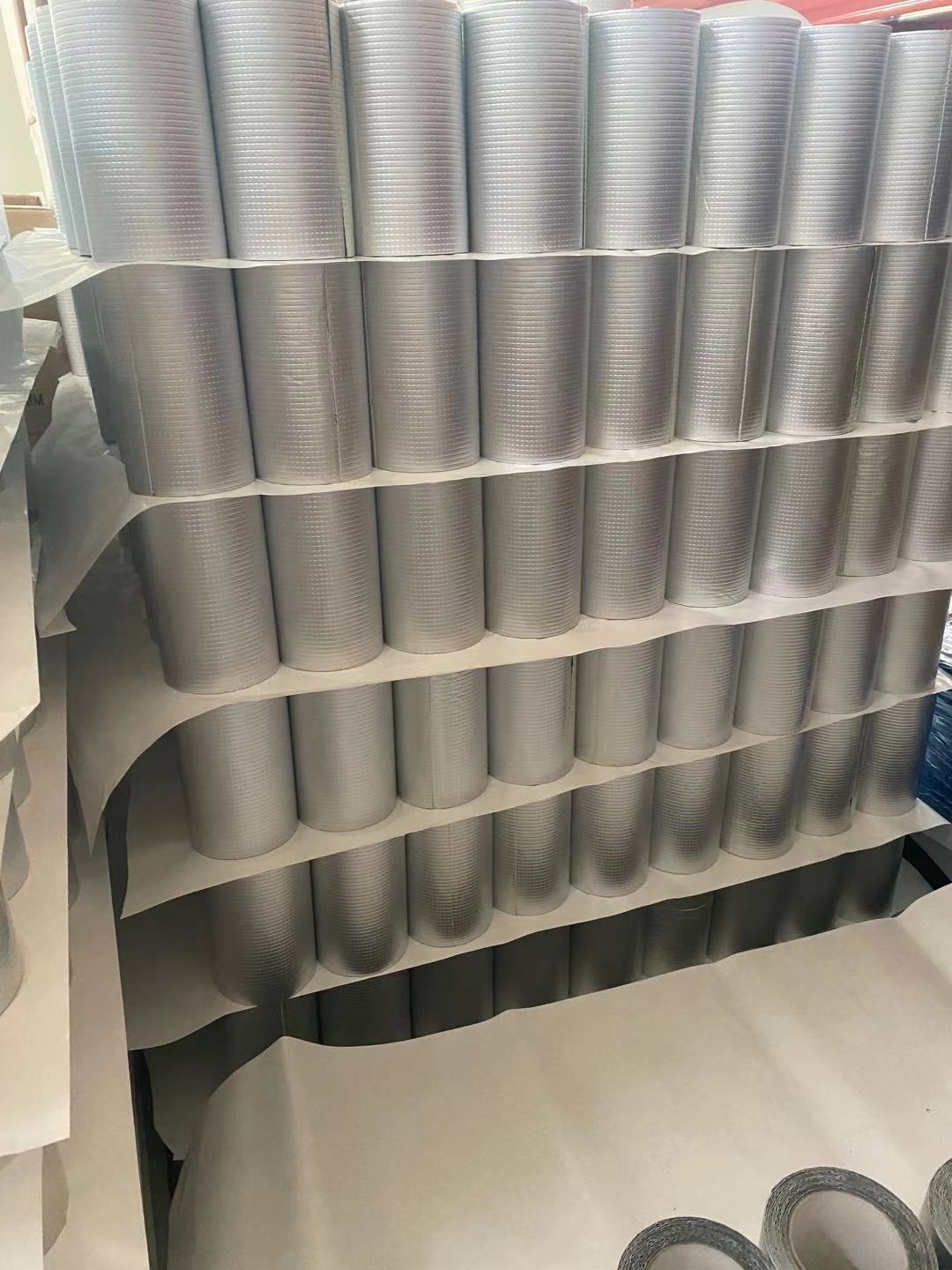
Aluminum foil tape – used in HVAC, insulation, and moisture-proofing layers
Copper foil tape – used for electromagnetic interference/radio frequency interference shielding and electronic products
When the price of copper or aluminum rises, the production cost of these tapes also increases accordingly, squeezing profit margins unless these costs are passed on to customers.
2. Inventory and Procurement Risks Increase with Price Fluctuations
Rapid price fluctuations make procurement planning difficult:
Locking in supply in advance can prevent price spikes but may result in holding expensive inventory.
Waiting can reduce costs but exposes the company to unpredictable price increases.
This underscores the necessity of developing dynamic procurement strategies and staying informed about market intelligence.
3. Price Negotiations with Customers Become More Complex
End customers expect price stability. Already operating on thin profit margins in an increasingly competitive industry, tape manufacturers face even greater pressure when base metal costs fluctuate:
They bear the increased pressure to absorb costs rather than pass them on to customers.
Traditional fixed-price contracts become unviable without built-in mechanisms to adjust for changes in metal costs.
Strategic Responses for Tape Manufacturers
Implement Dynamic Sourcing Models
Utilize market indicators such as London Metal Exchange (LME) copper and aluminum prices to guide procurement timing. Consider the following quantity and timing strategies:
Hedge through futures or options to control risk exposure
Purchase in batches to average inventory costs
This approach can reduce the financial impact of rapid price fluctuations.
Strengthen Supplier Relationships
Long-term agreements with metal suppliers can improve price transparency. For large-volume projects, consider negotiating the following:
Price range
Annual or quarterly reset clauses linked to metal index prices
Include Cost Adjustment Clauses in Contracts
Introducing metal cost pass-through clauses into customer contracts helps safeguard profitability. These terms reference benchmark price indices so that tape selling prices can adjust to changes in metal costs.
Exploring Substitutes and Design Optimization
When copper prices are exceptionally high relative to aluminum prices, certain tape applications (where technically feasible) can benefit from balancing performance and cost through material substitution or hybrid designs.
Conclusion: Price Volatility is a Strategic Factor
Metal price volatility—particularly copper and aluminum—is no longer a trivial issue for tape manufacturers. It is a core factor in cost management, supply planning, contract pricing, and competitive strategy.
Today, successful tape manufacturers no longer passively respond to price volatility but integrate forecasting, purchasing discipline, contract flexibility, and customer communication into their operating models. This not only protects profit margins but also enables companies to proactively respond to market cycles.
Keyword:
Aluminum foil tape,copper foil tape,metal price trends,2026 aluminum price
RELATED NEWS

Office: Building 2, Houdequn Creative Industrial Park,Shajing Town, Baoan District, Shenzhen,Guangdong, China.
Factory: Building 7 of Liandong U Valley, No.510 Xihuan Road, Houjie Town, Dongguan, Guangdong, China.
Copyright © 2021 abendo All rights reserved.
LET'S GET IN TOUCH